
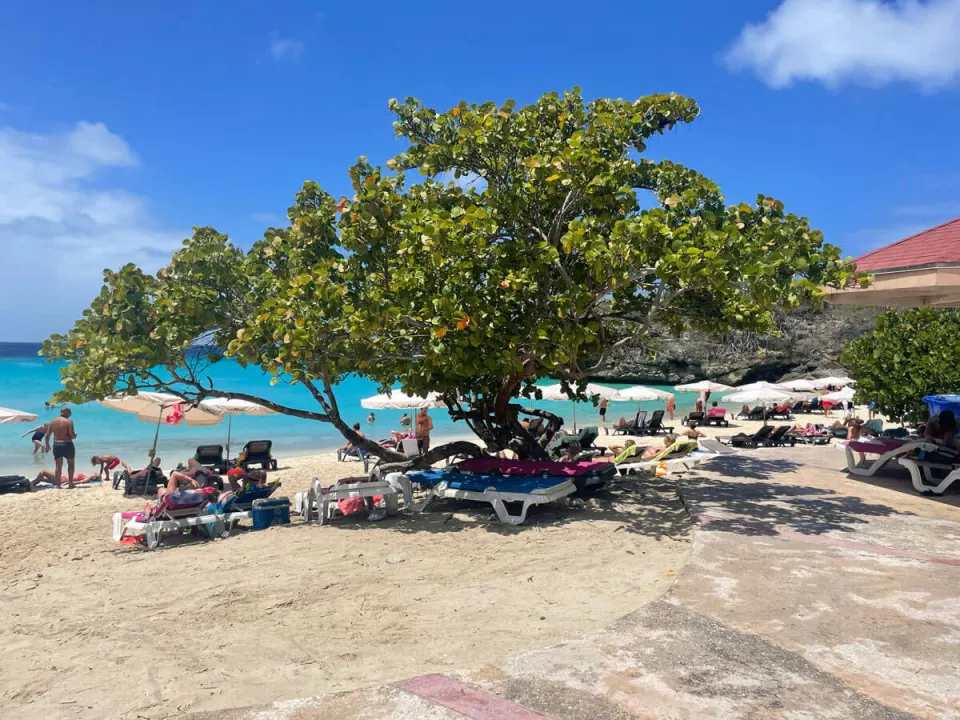
The best time to visit Curaçao
It is around 30 degrees here all year, so you are not choosing on weather. You are choosing on what is on, and on how busy it is.
1 min read
The question we get most, and the answer is possibly dull: for the weather it hardly matters. Curaçao sits below the hurricane belt and stays between 28 and 32 degrees all year, with a constant trade wind that keeps it bearable. Little rain falls, and what does fall is brief.
So what do you choose on
December and January are high season. Full, more expensive, and the most enjoyable time of year: pagaras in the last week of December, fireworks, New Year in the street, the Unox New Year\'s Splash and Fuik Day. Book months ahead.
February and March is carnival. It is enormous and it runs for weeks, with parades in the final ten days. If you want to be part of that, this is your window. If you want quiet, it is not.
April brings the Curaçao International Film Festival Rotterdam and King\'s Day, and is not busy yet.
May and June are our own favourite: quiet, everything open, and prices at their lowest.
Late August into early September is Curaçao North Sea Jazz. A large festival on a small island, so everything is full.
October and November are the wettest months, which here means a few showers a week rather than a few a month. It is also the quietest and cheapest stretch.
What the weather actually does
The sea is around 27 degrees, year round. UV is strong even under cloud, so factor 30 or higher and not only on the beach. The trade wind means you feel the heat less than it is, and burn faster than you expect.
Also worth reading
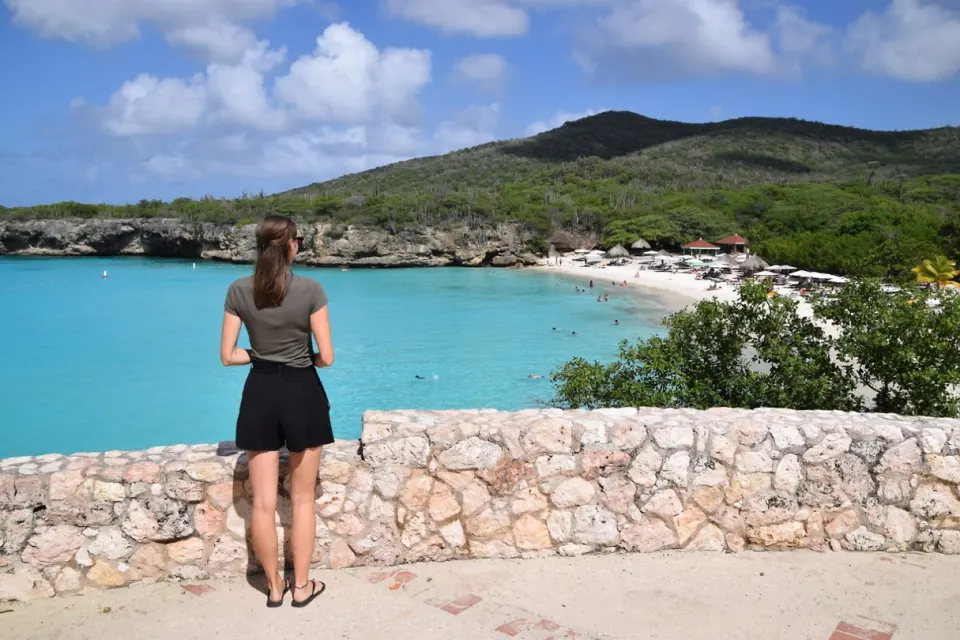 Beaches and bays
Grote Knip: the beach from the postcards
White sand, water in three shades of blue and a cliff to jump off. Grote Knip is the beach on every photo of Curaçao, and the drive is worth it.
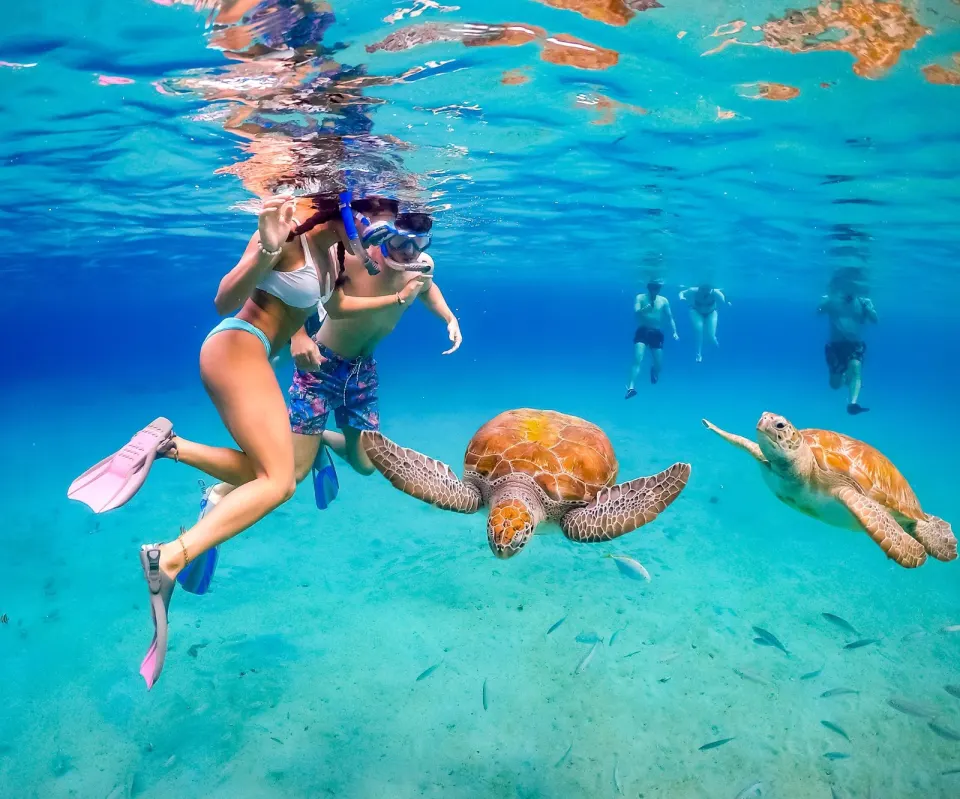 Beaches and bays
Swimming with sea turtles at Playa Piskado
A working fishing harbour where green sea turtles come for what is left of the catch. No tour, no fence, no entry fee.
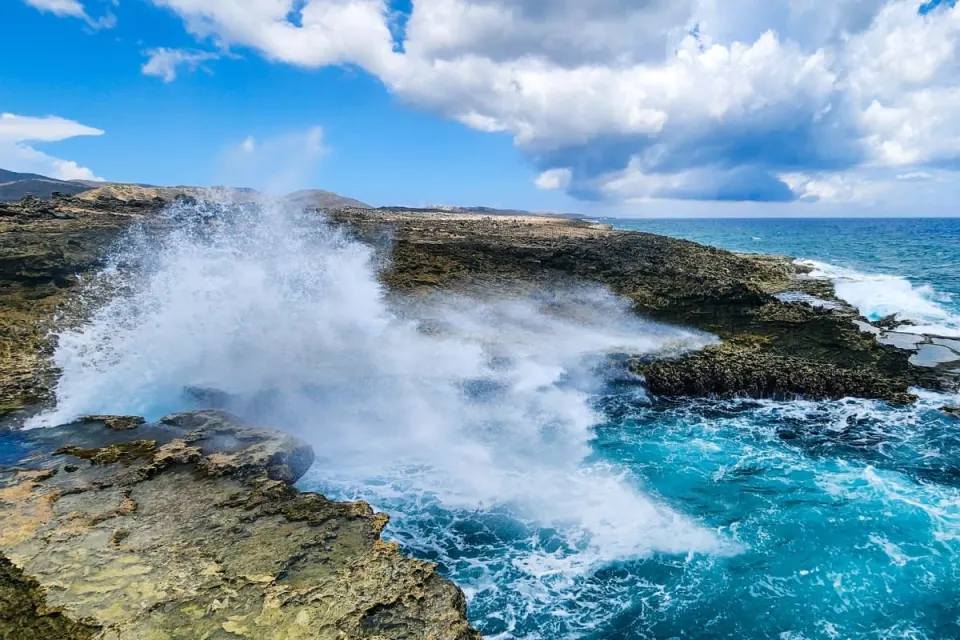 Things to do
Shete Boka: the rough side of Curaçao
Seven bays on the north coast where the ocean arrives with force. Not swimming water, but the most striking stretch of coast on the island.